What Every Future Executor Needs to Know in 20 Minutes.
Learn what the executor role actually involves, the most common blind spots families leave behind, and the practical first steps to take now so things feel lighter later.
Get the free 20-minute video guide now and understand what future executors need to know before the time comes.
Free • 20 minutes • Practical, plain-English guidance
If you’ve ever thought, “I know this matters, but I’m not sure what needs to be organised,” you’re not alone. Many families have a will in place but still haven’t prepared for the practical reality of what happens when someone needs to step into the executor role.
In this video, you’ll learn
What an executor is actually responsible for
in plain English (no legalese)
The common gaps that can cause
unnecessary added stress later
What to prepare
before the time comes to act
How to reduce confusion
and stress for loved ones
Get instant access to the free video
Frequently Asked Questions
“We already have a Will — isn’t that enough?”
Having a Will is incredibly important, but it’s only one part of being prepared.
A Will sets out what you want to happen after you die, but it doesn’t necessarily tell your executor how to make it happen.
Your executor may still need to identify your assets and liabilities, locate important documents, contact banks and other organisations, manage accounts and property, deal with government agencies and complete dozens of practical administrative tasks.
The more organised you are now, the easier you can make an already difficult time for the people you leave behind.
“This feels important, but not urgent.”
That’s exactly why estate administration planning is so easy to put off.
Unlike writing a Will, there usually isn't a deadline forcing you to organise the practical information your executor will need. Unfortunately, by the time that information becomes urgent, you’re no longer there to provide it.
A little preparation now can save your family hours of searching, phone calls, paperwork and uncertainty later.
This free video guide helps you understand what your executor will actually face so you can start preparing at your own pace.
“I’m not even sure I’ll be the executor.”
You don't need to be an executor today to benefit from understanding the process.
You may be an appointed Administrator one day.
When somebody dies intestate (without a valid Will), an eligible person can apply to the Court for Letters of Administration. Once appointed as the Administrator of the estate, their role and the estate administration process are largely similar to those of an Executor appointed under a Will.
You may be appointed as an executor for a parent, partner, relative or friend in the future — sometimes without fully appreciating what the role involves.
And even if you never become someone else's executor, someone will likely need to administer your estate one day.
Understanding the process now can help you make things easier for your own future executor, as well as prepare you if you're ever asked to take on the role for someone you care about.
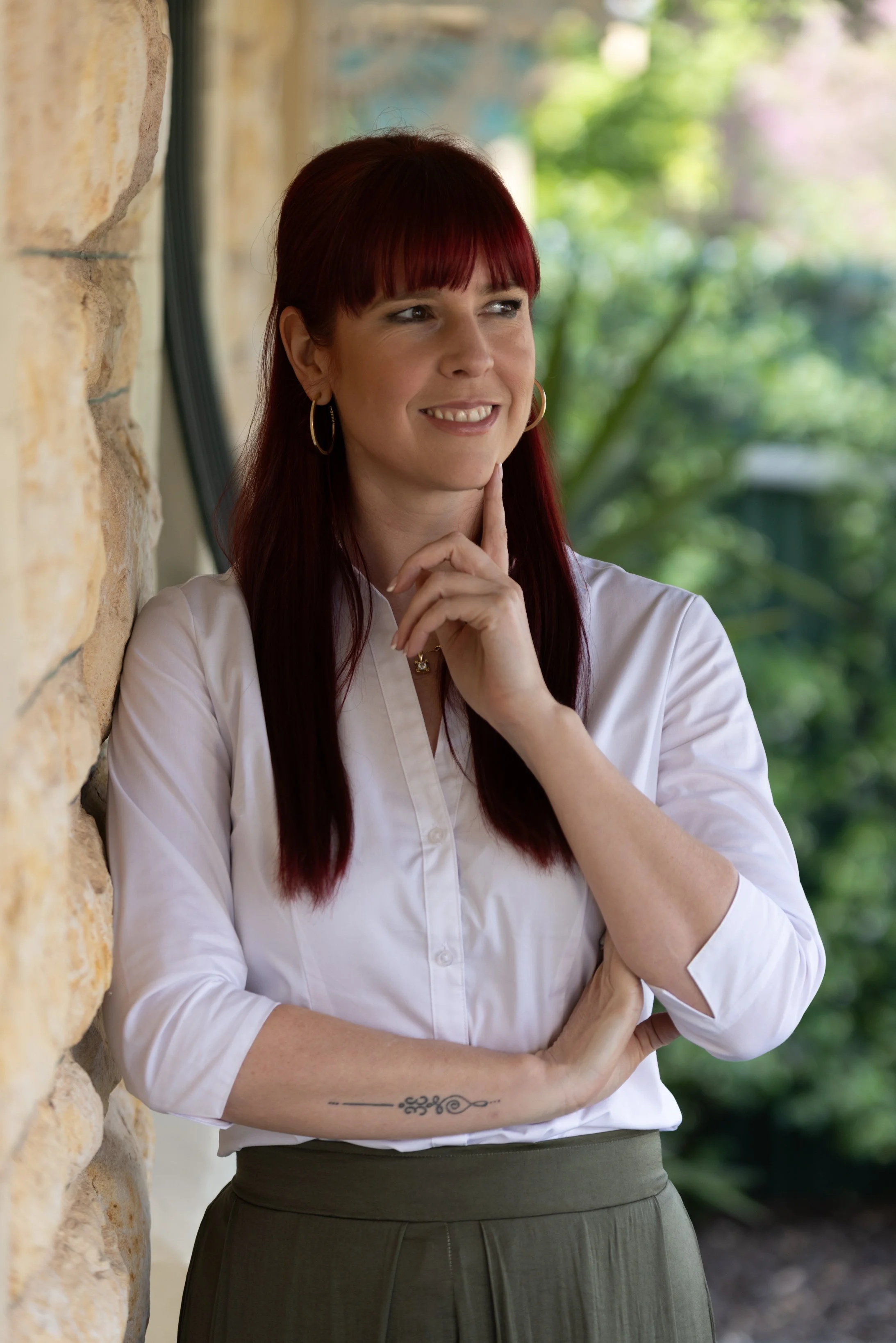
Meet Danielle
Sage Executor Solutions was founded by Danielle Phillips, whose work in estate administration began with lived experience — having personally navigated the responsibility of being an executor and the enormous practical workload that follows a death.
Today, Danielle specialises exclusively in the practical and administrative side of estate administration, working alongside families, executors and their professional advisers to manage the many tasks that sit outside the traditional legal process.
Her approach is calm, practical and hands-on. Whether helping a family understand where to begin, uncovering assets and liabilities, or managing the extensive administration before and after a grant is issued, Danielle's focus is simple: to lighten the load at a time when families need it most.